Skip to main content
Background of BAR introduction
- In a rib-shaped slab, the rib portion requires shear reinforcement bars, but in the past, dozens of reinforcement bars were manually worked one by one, which required a lot of manpower and caused problems in quality deterioration.
- When shear reinforcement bars and main reinforcement bars were pre-assembled, they were connected only with tie lines, which made them become easily deformed during transportation, and thus could not maintain consistent quality.
Effect of applying bar
- Not only the shear reinforcement bars but also the main reinforcement bars are manufactured in one piece, which is economical as it reduces a lot of work time and labor.
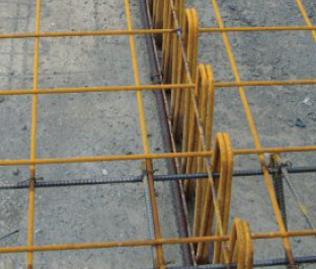
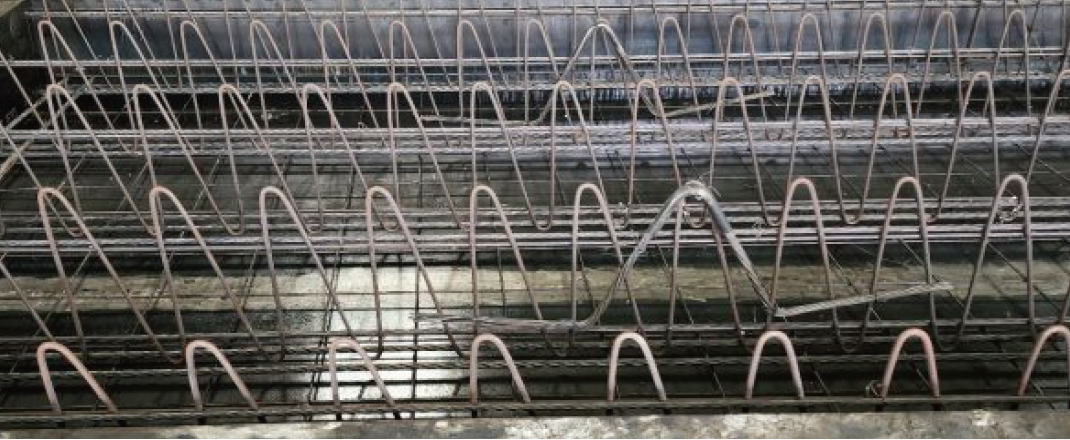
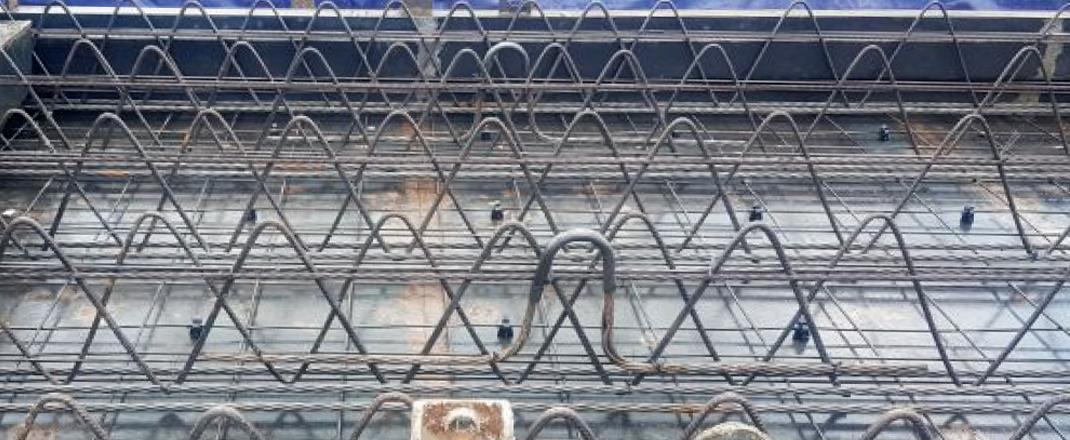
- On-site bar placement is easy.
- It is structurally advantageous as the upper and lower fixation effects are good.
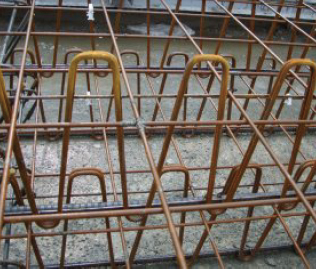
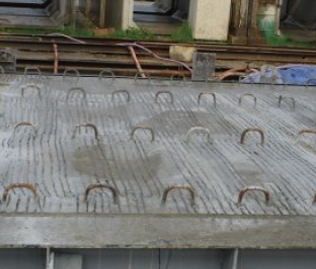
- The upper exposed surface of the shear reinforcement bar is of the closed type, so it does not interfere with walking, thus improving safety.
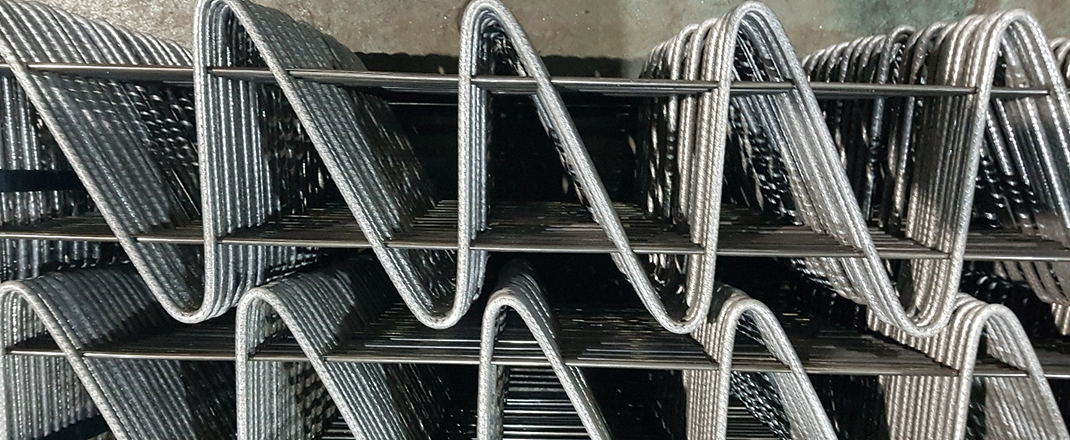
Features of lattice bar
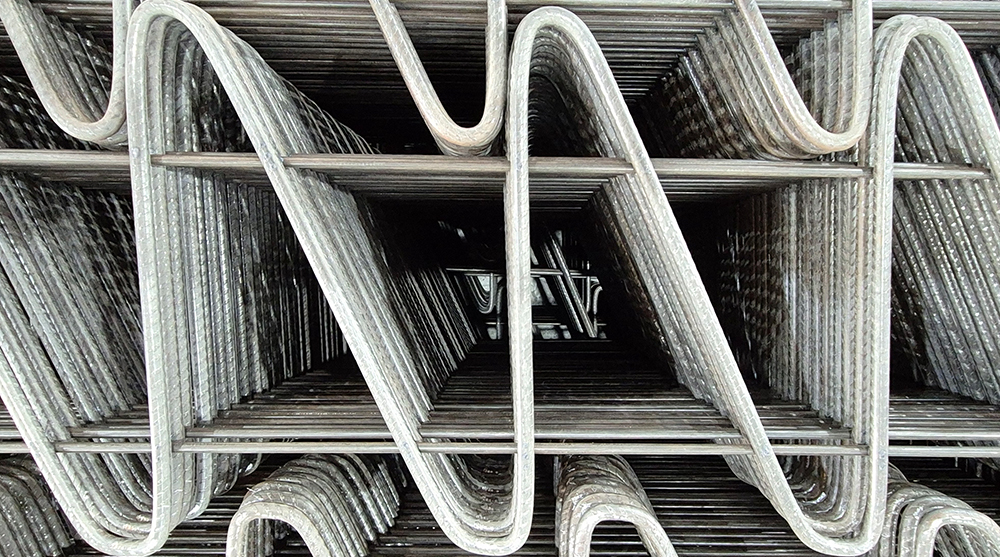
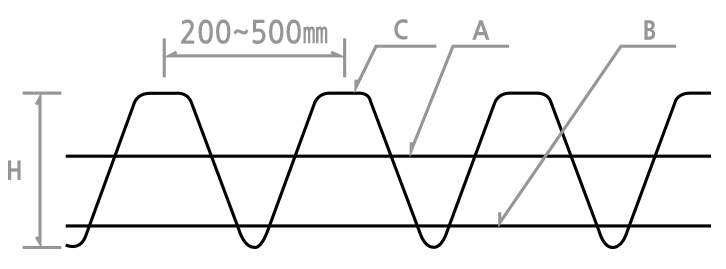
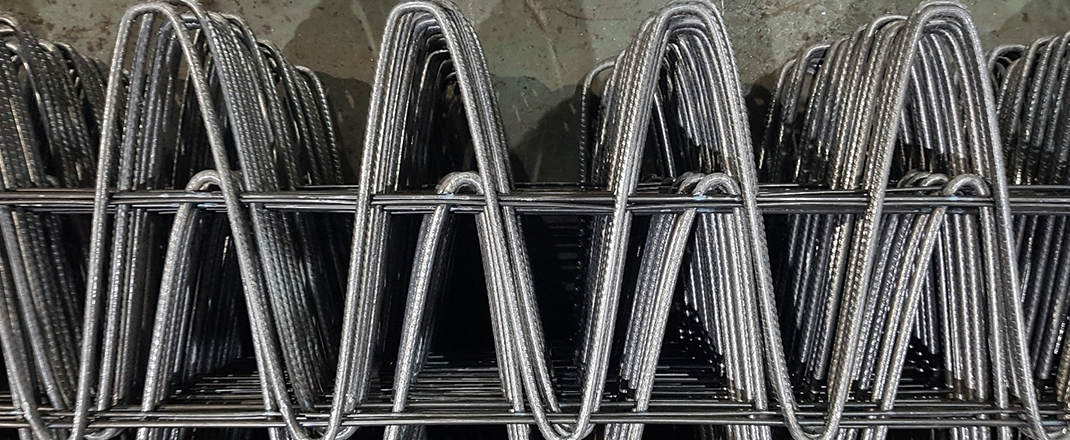
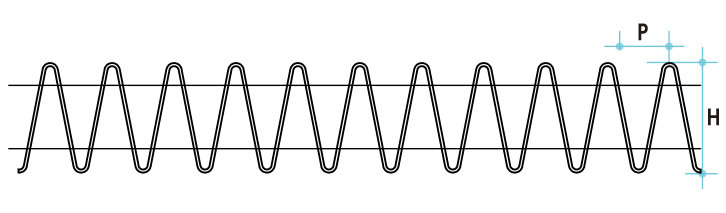
- The ridge and pitch are integrated at regular intervals (200-500mm).
- The ridge section is processed horizontally, making on-site bar placement easy, and eliminating the need for a separate space bar.
- The lattice bar and lower main reinforcement bar are automatically welded.
- The lattice bar and lower main slab reinforcement bar are automatically welded.
Structural features of the lattice bar
| Lattice height(H) |
Upper bar(A) |
Lower bar(B) |
Lattice bar(C) |
| 250~800mm |
6~16mm |
6~16mm |
8~13mm |
Structural features of N BAR
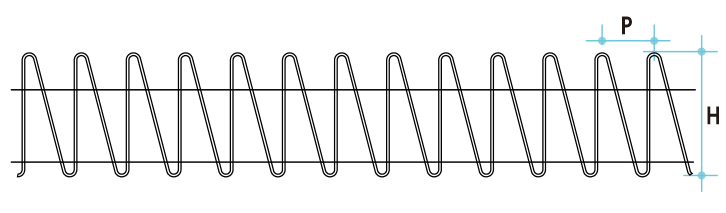
| Pitch(P) |
Height(H) |
Upper and lower bar |
Lattice bar(body) |
| 200, 250, 300, 400mm |
250~1000mm |
6~16mm |
8~13mm |
Structural features of W BAR
| Pitch(P) |
Height(H) |
Upper and lower bar |
Lattice bar(body) |
| 200, 250, 300, 400mm |
250~1000mm |
6~16mm |
8~13mm |